

Te Ara Pōtiki: What the Experience Really Gives You
Twelve months on from the inaugural Te Ara Pōtiki cohort returning from the United States, the impact of the programme is far easier to see.
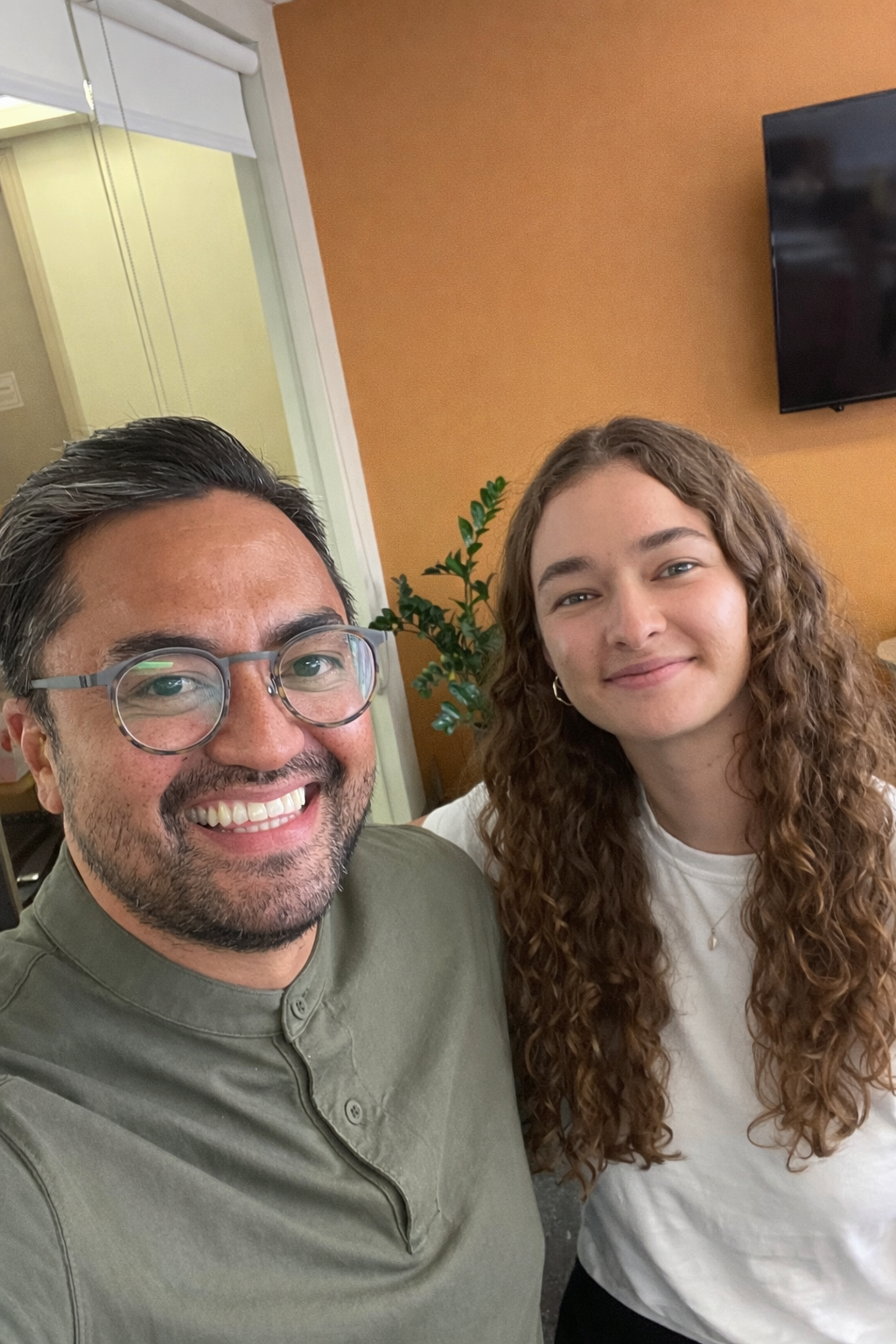
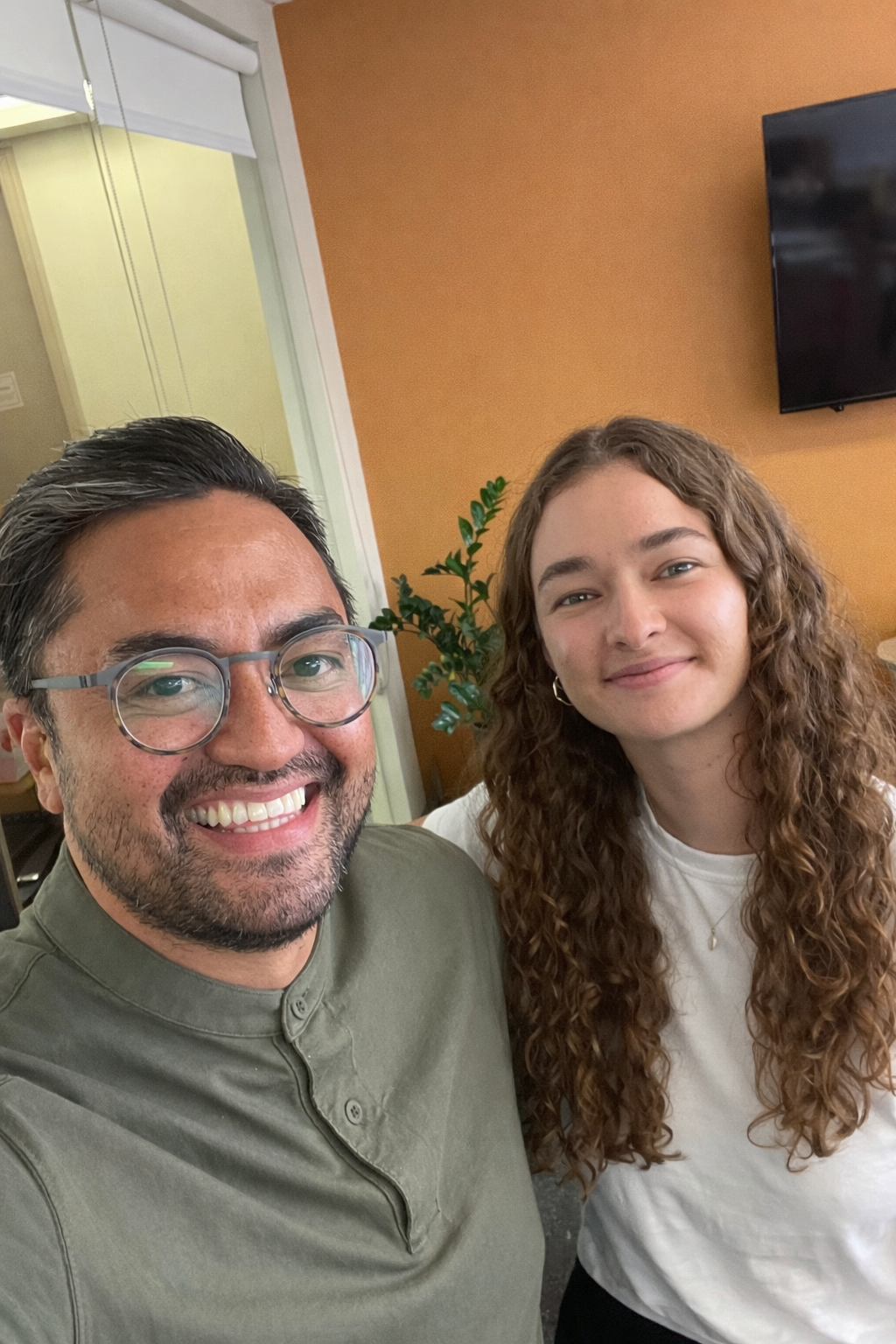
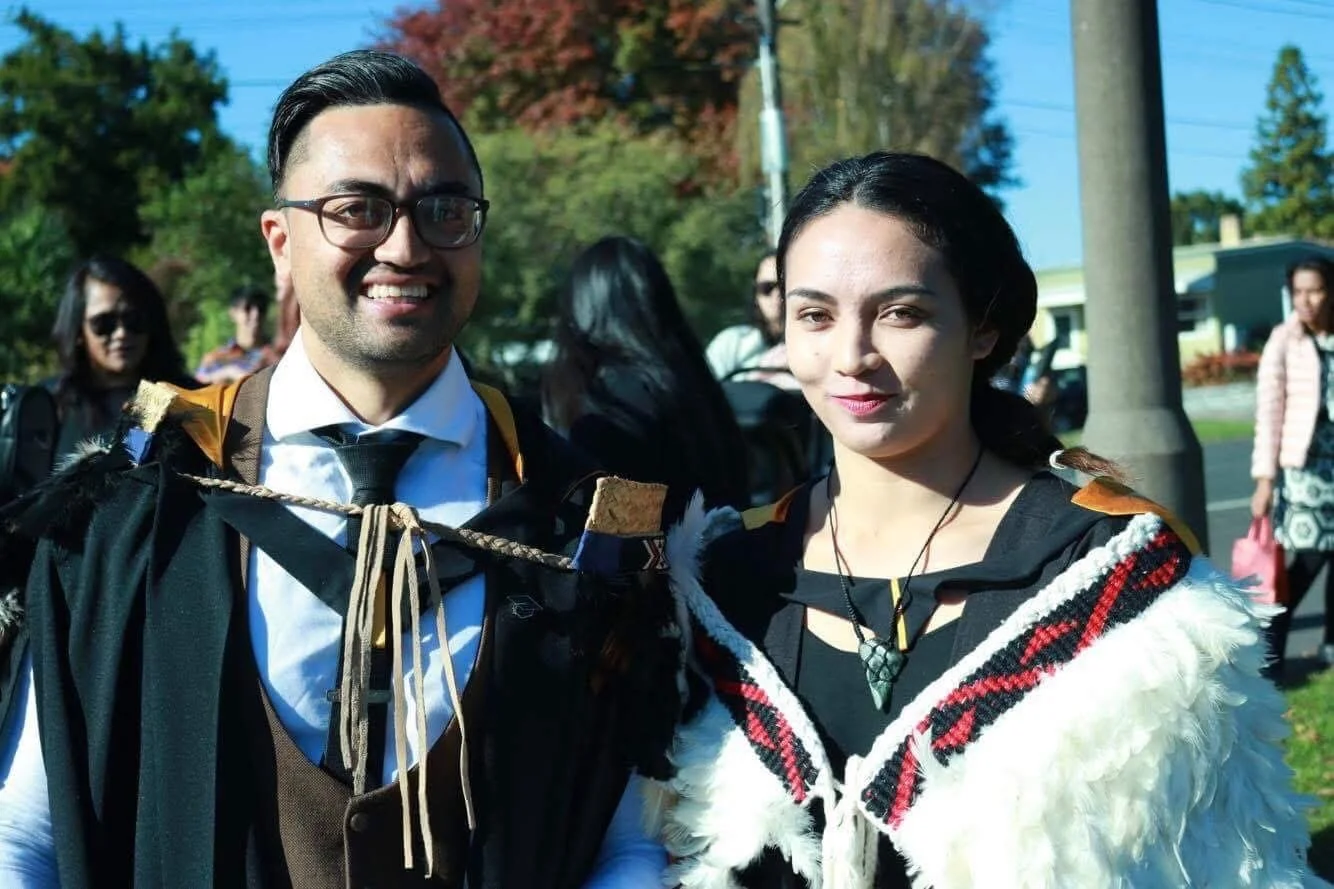
Campbell (left) and Erena (right).
Twelve months on from the inaugural Te Ara Pōtiki cohort returning from the United States, the impact of the programme is far easier to see.
For Erena Calder Hawkins and Campbell Gin, the two participants selected for the first cohort, the experience was not simply about spending time overseas or gaining exposure to the US agri food system. It was about growth, challenge, and being trusted to operate in unfamiliar environments where expectations were high and comfort was limited.
Both were embedded in early stage agrifood technology companies, working on real problems inside fast moving businesses. Both returned home with a different view of themselves and what they were capable of.
As Erena reflects a year later, the most valuable part of Te Ara Pōtiki was not technical knowledge or market insight.
“The ultimate value for me wasn’t the US market. It was the personal and professional development.”
That sentiment is echoed by Campbell, who entered the programme in a stable, predictable role.
“Before I left, I was comfortable. I was in a 9–5 job, I knew where my next pay cheque was coming from, and that security is hard to walk away from.”
Being placed in a high performance environment, surrounded by ambitious people who were pushing boundaries, forced both participants to reflect deeply on their own paths.
“Being part of the programme, and being surrounded by people who were high achieving and ambitious, made me stop and ask myself a hard question: am I doing enough?”
That question was not driven by comparison or self doubt.
“It’s not about feeling bad or like you’re behind. It’s more about seeing what’s possible.”
For both Erena and Campbell, that shift in mindset had lasting consequences. After returning to Aotearoa, both made the decision to step away from their roles and explore entrepreneurial pathways. The programme gave them the confidence to back themselves and the perspective to see opportunity where they may not have before.
Erena describes it simply.
“When I got back, I realised how much I had grown. The programme opened my eyes to what else was possible.”
Beyond individual career decisions, Te Ara Pōtiki also reinforced the value Māori perspectives bring to global agrifood innovation.
“Māori innovation is more than branding. It’s innovation that is humble and rooted in its people.”
That people centred approach, grounded in responsibility and long term thinking, stood in contrast to what both participants observed in some international settings. It also highlighted the opportunity Aotearoa has to lead differently on the global stage.
For future cohorts, Te Ara Pōtiki offers more than an overseas placement. It offers space to grow, permission to question what comes next, and the confidence to pursue it.
For investors and partners, it demonstrates the long term value of investing in people. When Māori talent is supported to operate globally, the return is not just individual success, but stronger leadership and deeper capability across the agrifood sector.
The full stories from Erena and Campbell go deeper into the realities of the experience, the challenges they faced, and how Te Ara Pōtiki continues to shape their journeys.
Read Erena Calder Hawkins’ full story here.
Read Campbell Gin’s full story here.
Sometimes the most important outcomes of a programme only become clear once people have had time to step forward on their own terms.
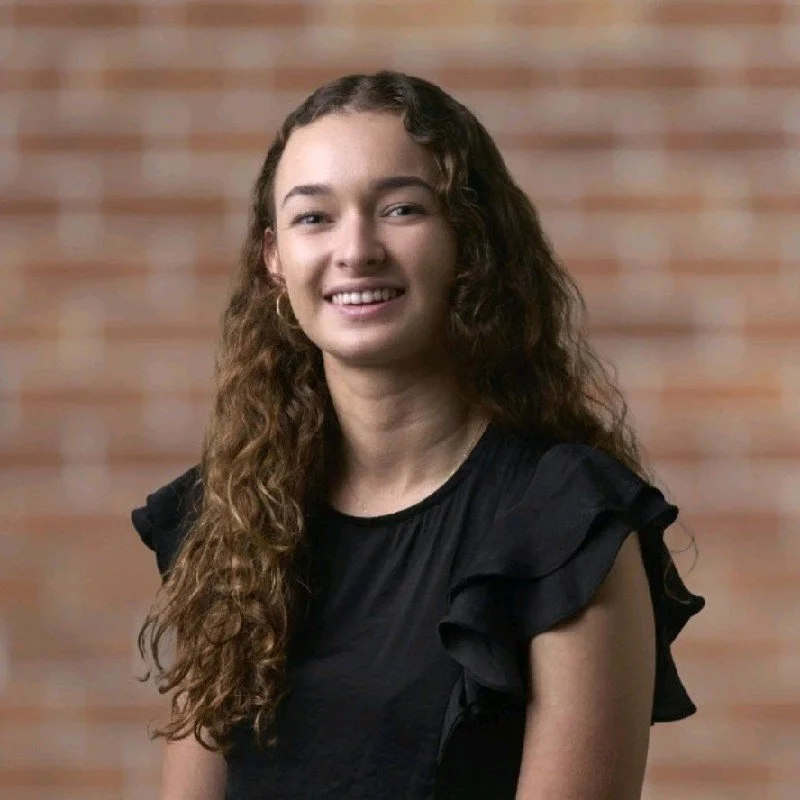
Reflections from Erena Calder Hawkins (Ngāti Pāhauwera, Ngāti Tamaterā)
Reflections from Erena Calder Hawkins, 2024 Te Ara Potiki cohort.
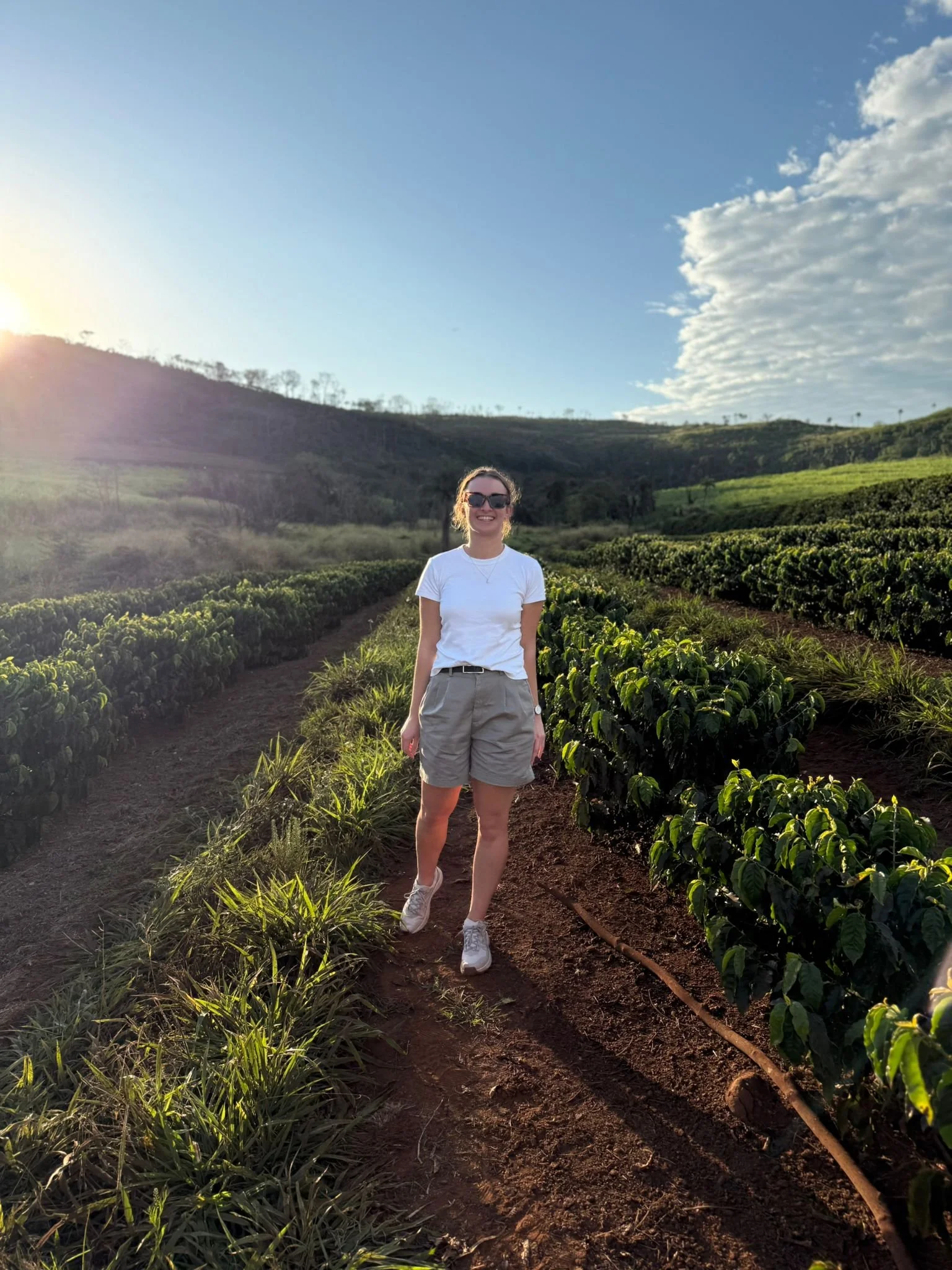
Erena walking the fields
20 JANUARY 2026: The following kōrero was captured twelve months after Erena Calder Hawkins returned from the Te Ara Pōtiki programme in the United States. As a member of the inaugural cohort, Erena has had time to reflect on how the experience shaped her confidence, career direction, and sense of possibility.
Erena completed her undergraduate studies at Waikato University, graduating with a Bachelor of Science, majoring in Biochemistry and Biotechnology, before completing a Master of Bioscience Enterprise at the University of Auckland.
During the programme, Erena was based in San Diego, completing her internship with ZeaKal, a plant-trait technology startup focused on improving crop quality. What follows are Erena’s reflections, in her own words, on the impact of Te Ara Pōtiki and how it continues to influence her thinking a year on.
1. What has shifted for you since returning home?
The biggest shift for me really came after I got home.
I applied for Te Ara Pōtiki because I was deeply passionate about the agri-food sector and wanted to deepen my understanding beyond Aotearoa. I wanted to be challenged, to learn, and to build my confidence and commercial capability. At the time, I didn’t realise just how much the experience would change how I saw myself professionally.
Coming back, I could clearly see how much I had grown.
The programme opened my eyes to possibilities I hadn’t seriously considered before. It gave me the confidence to take on new challenges and begin exploring my own entrepreneurial journey. I realised I was capable of pushing myself further and stepping into more complex, unfamiliar spaces.
A year on, that decision feels like a real turning point in my career. I don’t think I would have had the confidence to make some of the choices I’ve since made without the experience Te Ara Pōtiki gave me.
2. Which moment or experience during the programme continues to influence your decisions today?
What really stands out for me is seeing how deeply company vision was embedded within the organisations I was exposed to, particularly at ZeaKal and Plenty.
I expected things in the US to be big, but I was still surprised by just how big everything really was. I have a photo of Campbell eating an enormous turkey leg at a Fourth of July carnival, and it kind of sums it up. Everything felt oversized. The food system especially was dominated by large organisations and big chains, with very few family-owned outlets. That sense of scale and control really stuck with me.
What balanced that was the passion people had for their work. Vision wasn’t just something written on a wall or included in a slide deck. Every team member understood it and could speak to it. The vision was genuinely embedded across the organisation.
That experience has stayed with me. It’s shaped how I think about the kinds of organisations I want to be part of, and the importance of alignment between values, vision, and day-to-day work.
3. How has global exposure changed the way you think about Aotearoa, Māori, and your role within both local and international contexts?
Before going to the US, I often thought about Māori innovation showing up globally through branding or provenance stories, such as New Zealand wine or mānuka honey.
Being over there helped me see that Māori innovation is about much more than branding. It’s rooted in people.
What I noticed, both internationally and sometimes at home, was a gap between innovation and the people it’s meant to serve. There can be a real disconnect between new technologies and the farmers or communities who are directly connected to the land.
There is a clear opportunity for more people-centred innovation.
That’s where I see Māori innovators having a strong role to play. Our approaches are often grounded in relationships, long-term thinking, and responsibility to people and place. That perspective felt largely absent in the US food system, and it reinforced for me the value Māori bring to innovation at a global level.
4. If you were speaking to the next Te Ara Pōtiki cohort, what would you tell them to lean into or be brave about?
I’d tell them that the biggest value of the programme isn’t just the exposure to the US food system. For me, it was the personal and professional growth.
The programme gives you a clear outcome and then places the responsibility on you to figure out how to deliver it. That can be uncomfortable, but that’s where the real learning happens.
The growth changed how I see myself professionally.
Through that process, I learned a lot about how I work, the environments I thrive in, and the kinds of roles that suit me. That learning stayed with me long after I returned home and gave me the confidence to make a career shift.
I’d also encourage people to really lean into the connections. I was surprised by how open people were. After my internship, when I travelled to San Francisco, I reached out to people I’d never met before, and so many were willing to connect.
I was genuinely surprised by how many doors opened when people heard there was an Indigenous innovator wanting to learn. Those conversations weren’t favours. People were truly interested. That’s something I’d encourage the next cohort to take full advantage of.
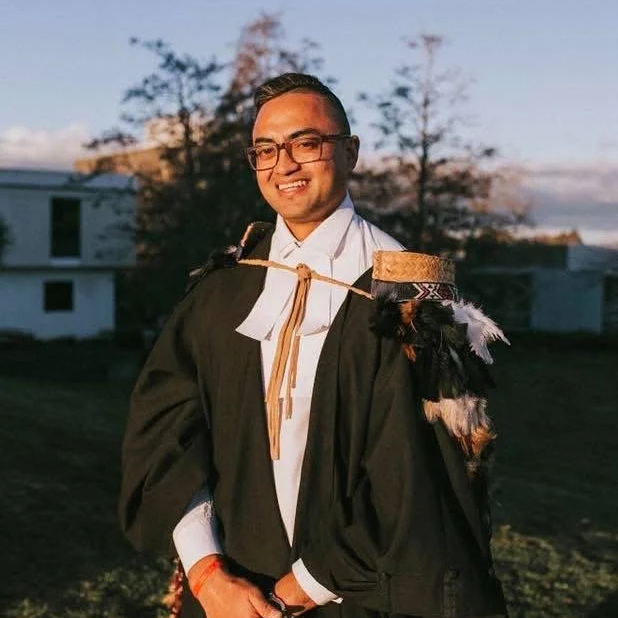
Reflections from Campbell Gin (Ngāpuhi / Ngāruahine)
Since returning from the Te Ara Pōtiki experience in 2024, Campbell has transitioned into entrepreneurship.
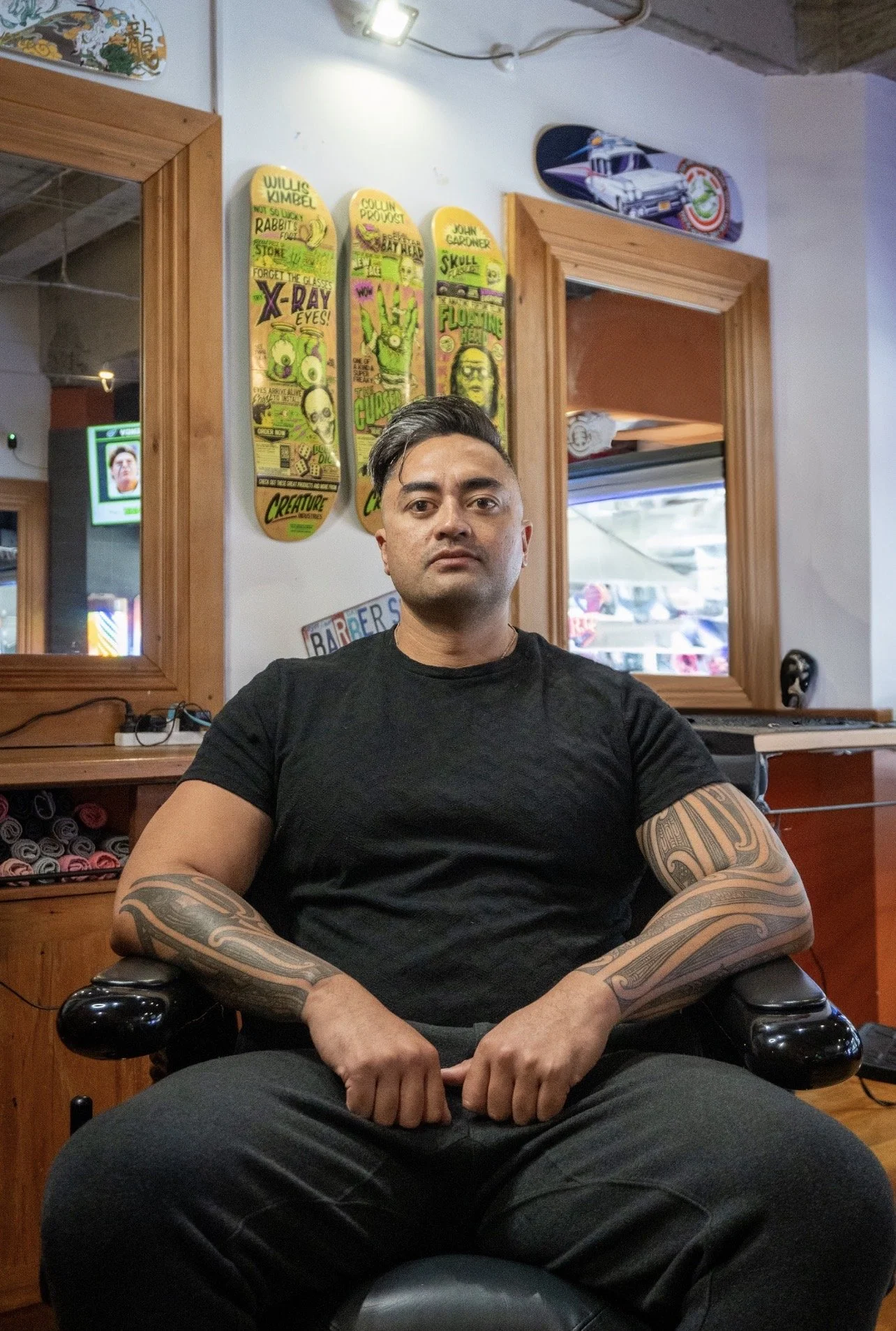
Campbell at his Wellington Business ‘Ruku Barbers’
The following conversation was captured approximately twelve months after Campbell Gin returned from the Te Ara Pōtiki programme in the United States.
His internship was with American agricultural technology company Plenty, that specialises in indoor vertical farming particularly leafy greens and, more recently, strawberries, using vertical towers, lighting, and robotics.
Campbell holds degrees in law, commerce and a master’s in business management. He speaks fluent mandarin, spent two years teaching English in China and worked in the seafood sector with Port Nicholson Fisheries.
Since returning from the Te Ara Pōtiki experience in 2024, Campbell has transitioned into entrepreneurship. In early 2025, he launched Ruku Consultants and contracted with Ngai Tahu supporting their live seafood trade with China in addition to opening Ruku Barbers in central Wellington.
The programme has shaped how he approaches risk, ambition and his role as a Māori professional operating in global contexts.
What follows is Campbell’s reflection, in his own words, on the impact of Te Ara Pōtiki.
1. What has shifted for you since returning home?
I can’t give all the credit to Te Ara Pōtiki, but it definitely reinforced something that was already there for me.
Before I left, I was comfortable. I was in a 9–5 job, I knew where my next pay cheque was coming from, and that security is hard to walk away from. But being part of the programme, and being surrounded by people who were high-achieving and ambitious, made me stop and ask myself a hard question: am I doing enough?
It’s not about feeling bad or like you’re behind. It’s more about seeing what’s possible.
That mindset shift gave me the confidence to back myself. When I came home, I left my job and went out on my own in the same industry. I’m now contracting in live seafood export to China, working with Ngāi Tahu Seafood, and building my own businesses under my new Ruku brand.
If you’re not willing to bet on yourself, how can others believe in you?
That’s probably the biggest change for me. I back myself now in a way I didn’t before.
2. Which moment or experience during the programme continues to influence your decisions today?
What really stuck with me was the environment I was exposed to. At Plenty, everyone was a go-getter. It wasn’t just a few standout people – everyone was educated, ambitious, and working hard. They must live of adrenaline.
In New Zealand, you might get a few all-stars in a company. Over there, everyone was an all-star. Just observing that made a huge impact. You could see how competitive it was, how fast-paced it was, and how much people pushed themselves. The leaders didn’t think one move ahead – they were thinking ten or twenty moves ahead. I quite liked that environment and to understand where you fit in the hierarchy of things.
There are opportunities everywhere. But fortune favours the brave.
That idea has stayed with me. You don’t find those opportunities by staying in the safe place. You’ve got to leave the comfort of what you know and take a bit of risk. That lesson shapes how I make decisions now, whether it’s business, career moves, or backing new ideas.
3. How has global exposure changed the way you think about Aotearoa, Māori, and your role within both local and international contexts?
One of the things that really excited me was doing an internship with a US company where the CEO was Māori. I’m doing an internship with a US company – and the CEO is a Māori dude! That’s rare.
Seeing Māori leadership at that level made me realise we absolutely belong in global markets, not just participating but leading.
I also think Māori bring something special internationally. We can connect with anyone, regardless of age, background, or culture. That ability to build relationships matters in global business.
But the other big realisation for me was around humility. We’re too humble. If you know your stuff, you’ve got to say it. Otherwise, internationally, it can sound like you don’t know what you’re talking about.
Now I think more about my role in creating pathways for others. In my industry, there aren’t many Māori in positions where they can open doors. If I can take a young Māori to China, show them the markets, the culture, how it all works – that’s the same kind of eye-opening experience I had in the US.
That’s how I see my role now: learning globally and applying it locally, in a way that lifts others.
4. If you were speaking to the next Te Ara Pōtiki cohort, what would you tell them to lean into or be brave about?
Be curious. Ask questions. Get to know the whole business, not just your little corner of it.
I was talking to everyone – setting up meetings, asking what they did, how their role fitted into the bigger picture. That gave me a real understanding of how complex businesses actually work. It also showed me that it’s not all rainbows and sunshine – and that’s okay.
Change doesn’t mean bad. Things shift, people move on, and that’s just part of it. Most importantly, I’d tell them to back themselves. If you know something, own it. If an opportunity comes up, take it – even if you don’t feel ready.
I wasn’t sure if they’d want an old dude like me. I thought it might be for 21-year-olds. But I applied anyway.
That decision changed everything for me. Te Ara Pōtiki gives you confidence to give it a go. What you do with that confidence is up to you.
Te Ara Pōtiki Announces 2026 Cohort for U.S. Advanced Technology Experience
Te Ara Pōtiki Announces 2026 Cohort for U.S. Advanced Technology Experience
18 December 2025: Te Ara Pōtiki is pleased to announce the selection of three emerging Māori innovators who will travel to the United States in early 2026 as part of a three-month immersion across the agrifood innovation ecosystem.
Te Ara Pōtiki Associate Director Francene Wineti says interest in the programme has grown rapidly, with this year’s registrations the highest to date.
“We received a breadth of registrations from rangatahi Māori across the country, and selecting the final cohort was incredibly difficult,” she says. “The drive, talent and aspirations shown by these young Māori leaders are inspiring. We’re excited to support them as they gain invaluable experience overseas and return home with knowledge that will uplift their communities and the wider sector.”
The cohort will be placed within organisations across the United States that sit at the forefront of agrifood innovation, drawing on Te Ara Pōtiki’s strong network of U.S. based businesses. Further information about their specific placements will be announced in the New Year.
Te Ara Pōtiki was established in 2023 and co-founded by Arama Kukutai, Francene Wineti and Dean Tilyard to address a critical gap between tertiary study and long-term career development in science, technology, engineering, mathematics and mātauranga Māori (STEMM).
“Te Ara Pōtiki was created to build a post-study pathway for career development in STEMM, which is critical to New Zealand’s economic development,” says Wineti.
“It is also critical for the Māori economy to keep taking steps forward. While the Māori economy has grown significantly, it remains heavily weighted towards natural resource investment - land, farming and fisheries - with increasing momentum now emerging in areas such as renewable energy. Te Ara Pōtiki help ensure Māori talent is equipped to lead and diversify where that economy goes next.”
The establishment of Te Ara Pōtiki was supported through seed funding from the Ministry of Business, Innovation and Employment (MBIE), enabling the programme to develop its international partnerships and pilot new pathways for rangatahi Māori.
Te Ara Pōtiki also acknowledges the generous support of Waikato Tainui for the 2026 cohort, alongside other private and values-aligned supporters who contribute through a range of sponsorship and partnership pathways to enable these opportunities.
“Our sponsors play a vital role in making opportunities like this possible,” says Wineti. “Their commitment ensures our rangatahi Māori can step onto the world stage with confidence and strong cultural grounding. We warmly encourage other iwi and organisations to explore how they might support future cohorts — it’s a powerful way to invest in the next generation of Māori talent and strengthen our collective impact.”
2026 Te Ara Pōtiki Cohort
Tahuariki Ross-Hotene (Ngāti Hauā)
BSc (Physics), PGDipSci (Environmental Science), MSc (Energy Science & Technologies)
Supported by Waikato Tainui
Tahuariki brings a strong academic background in energy systems, sustainability and environmental science. He is eager to approach the programme with an open mind and share insights from his experience with communities in Aotearoa.
Sidney Robcke (Waikato Tainui)
BSc & MSc (Environmental Science, University of Waikato)
Supported by Waikato Tainui
Sidney specialises in ecology and environmental science, with growing interests in restoration ecology, hydrodynamic modelling and climate-related research. She is passionate about inspiring rangatahi - particularly young wāhine - to explore pathways in STEM.
Taylor Rewiti-Hibbard (Ngati Rangi)
PhD (Biotechnology, Victoria University of Wellington)
Supported by private sponsor
Taylor, a biotechnologist and independent thinker shaped by both research and startup environments, is looking forward to engaging with the U.S. agrifood landscape. He is particularly interested in deepening his connection to the Māori economy and representing the programme as a strong ambassador.
Impact of the Programme
Previous participant Erena Calder-Hawkins says the experience reshaped her understanding of what was possible.
“The experience opened my eyes to possibilities I hadn’t considered. It made me realise I could push myself further, take on new challenges, and look for a role that aligned more closely with the kind of impact I wanted to make.”
Looking ahead
Registrations for the 2027 Te Ara Pōtiki cohort will open mid-year. Young Māori innovators interested in gaining hands-on experience in the United States agrifood ecosystem are encouraged to keep an eye on Te Ara Potiki’s channels for updates and key dates.
For media enquiries, interviews or further information, please contact:
Francene Wineti
Telephone: +6421375125.

Māori entrepreneurs giving back to next generation with US internships
Te Ao Maori News - Māori entrepreneurs giving back to next generation with US internships
This story was first published on Te Ao Māori News. Click here for the full version.
SEPTEMBER 12, 2023: A US-based Agritech business leader is championing more Māori to get into the science and technology sector by offering internships in America for graduates.
Arama Kukutai (Ngāti Maniapoto, Tainui, Te Aupōuri) is a venture capitalist and CEO of vertical farming company, Plenty, based in California.
He has created the Te Ara Pōtiki, alongside Francene Wineti (Te Ātihaunui-a-Pāpārangi, Ngāti Tuwharetoa, Ngāti Rangi, Ngāti Kahungunu ki Wairoa), and Dean Tilyard, founder of the Sprout Accelerator and partner at Finistere Ventures Aotearoa.
The programme is aimed at sharing his 20 years of experience, knowledge and networks he’s picked up while living and working in the USA.
“I was thinking about ways in which to share the experiences I’ve been lucky enough to have in my career with the next generation of up-and-coming, in particular science and technology graduates where we’ve seen an explosion in growth and so much capability amongst our rangatahi.
“Living here on the other side of the world and seeing this happen inspired me to think there may be a way in which that talent amongst our people can be exposed to new experiences, new networks, that are connected to some of the things I’ve been doing here over the past two decades and more.”